

Turning local resources into lasting livelihoods.
Art traditions, invasive plants, livestock dung and crop residues. Tri-Impact's initiatives turn what a place already has into income, healthier soil and resilience to a changing climate.
Explore the initiatives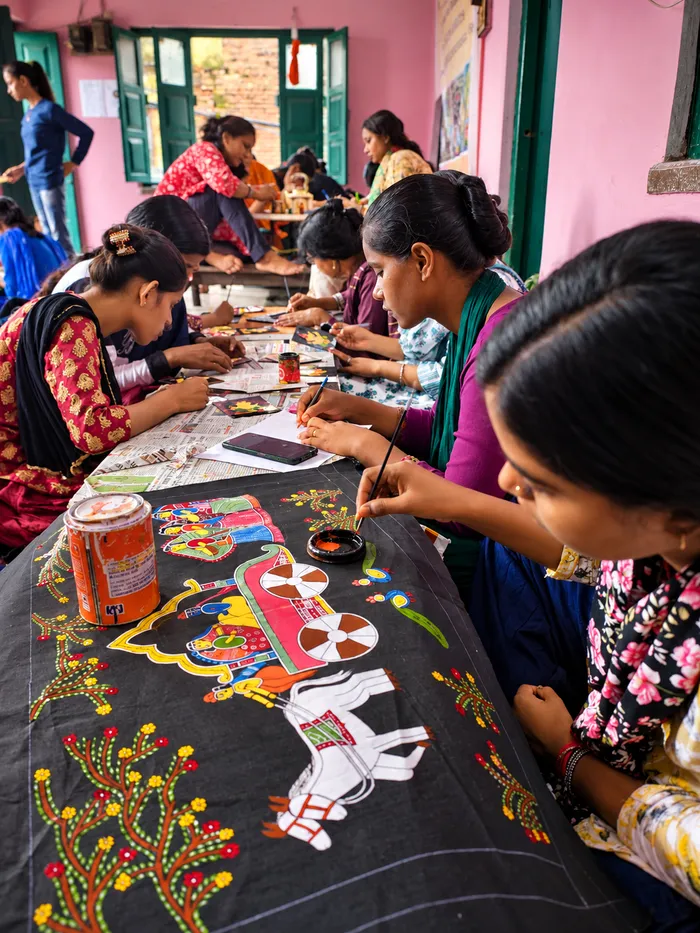
Living Art Traditions brings skills, provenance, buyers, savings and health together around each artist.
India's art traditions are admired worldwide, yet the artists behind them often stay poor, unseen and unprotected. Living Art Traditions works with artists of Madhubani, Gond, Sanjhi, miniature, Zardozi and other traditions, and runs five supports together, around the same artists.
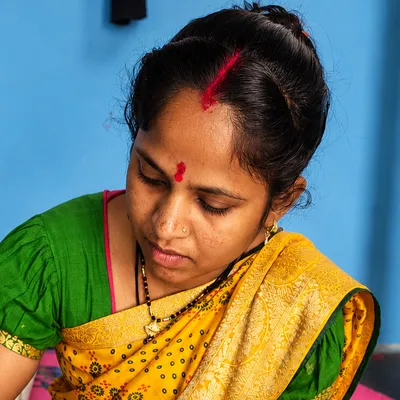 The artist
- 01Training and co-design
- 02Record of origin
- 03Route to buyers
- 04Financial literacy
- 05Health and eye care
- 01
Training and co-design
Quality, cost and time, and new formats with designers and contemporary artists.
- 02
Record of origin
The artist, tradition, place, materials and colours travel with each work.
- 03
Route to buyers
Work reaches institutions, hotels and galleries through KalaAnchal and Dharohar Arts.
- 04
Financial literacy
Savings through lean months, formal banking and the schemes artists qualify for.
- 05
Health and eye care
Check-ups and eye screening for work that depends on hours of close attention.
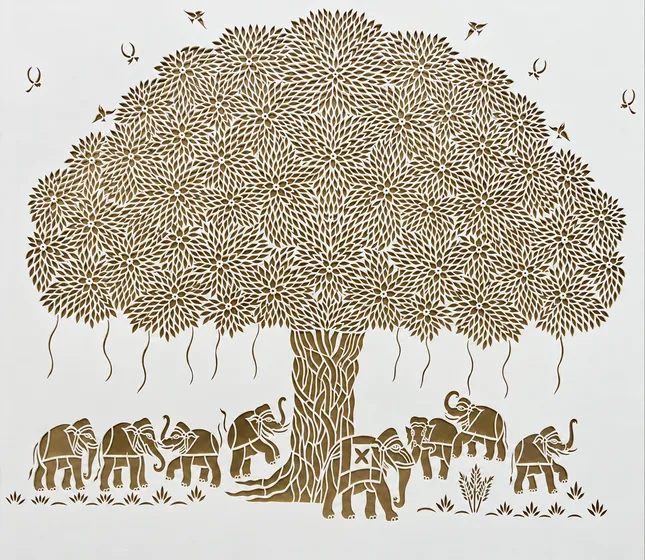
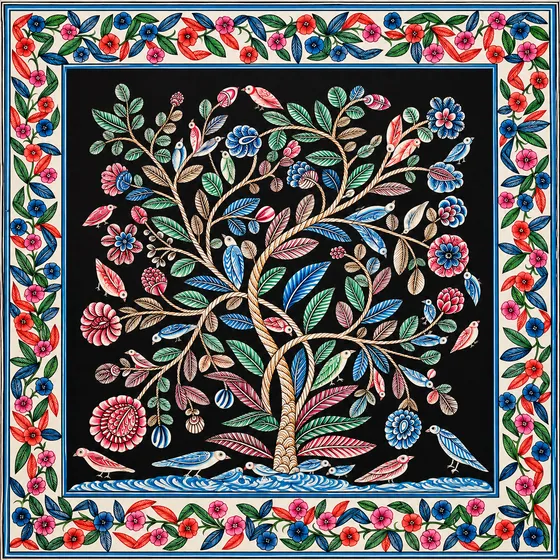
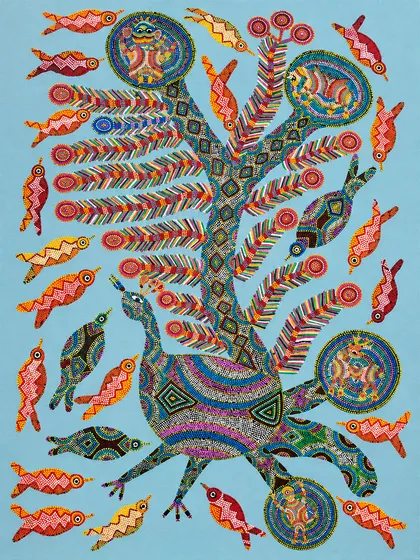
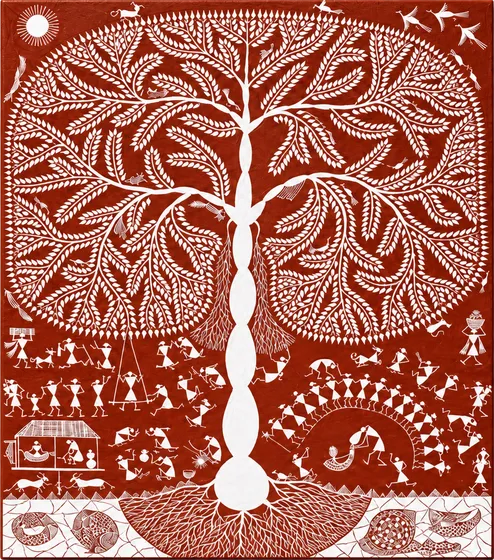
Work by artists in the initiative
Explore Living Art Traditions



An invasive plant that adds fuel to forest fires, turned into natural dye and income for artisans.
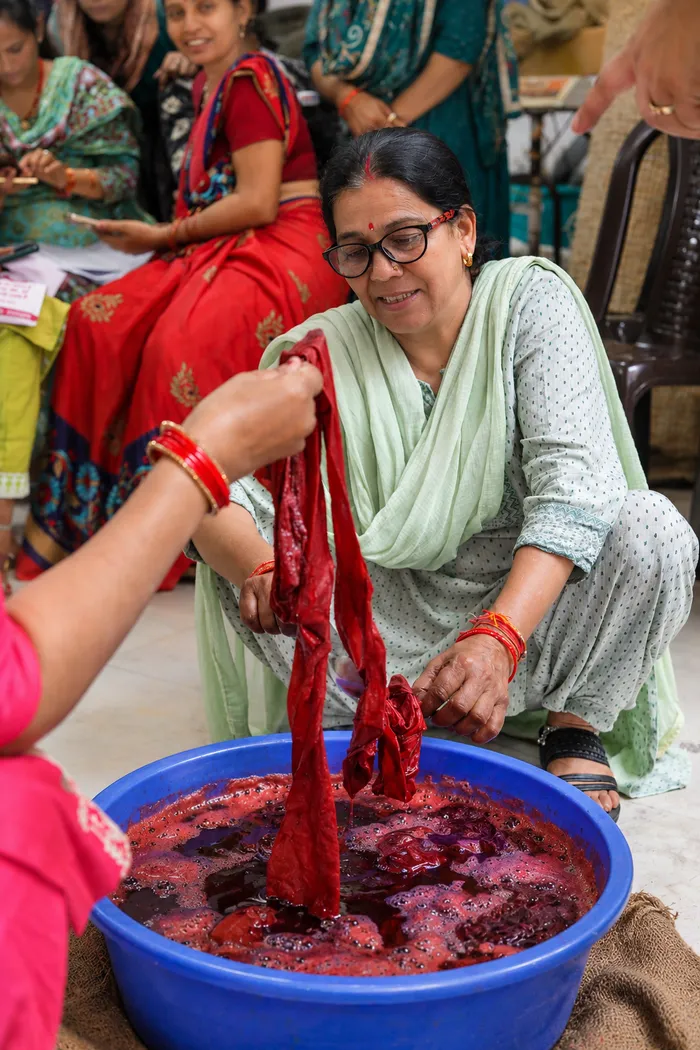
Lantana camara spreads through the forest and farmland of the Garhwal Himalayas, crowds out native vegetation and raises the fuel load that drives forest fires. Natural Colours trains artisan communities, largely women, to extract dye from it, and from native plants and food waste. A handbook, three learning modules and a catalogue of 69 dye-yielding plants sit in an open repository anyone can use.

- Lantana and other invasive plants
- Native plants: walnut, wild indigo, rhododendron
- Food waste: pomegranate rind, onion skin, fruit peel
- Boiling, for roots, bark and leaves
- Fermentation, for indigo
- Solar or cold dyeing, for flowers and fine fibres
- Natural dye artisans can use and sell
- An open repository of 69 dye-yielding plants
- Bilingual handbook and three modules
Livestock dung, turned into compost for the family farm and for sale.
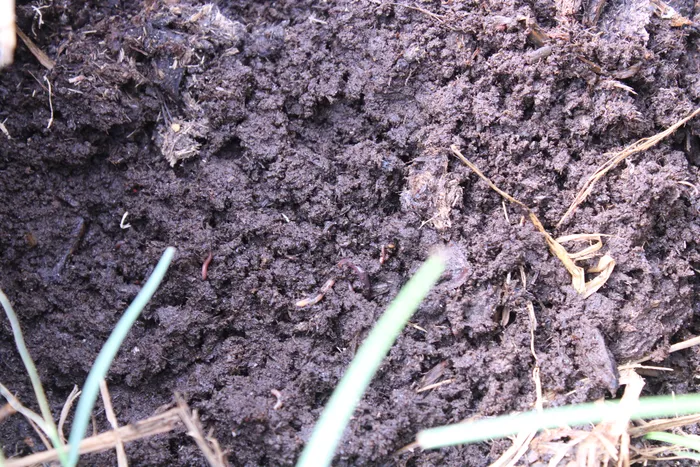
Farmers in Uttarakhand already use dung and crop residues, and some sell compost. What they lack is a complete support system: a clear picture of the material a village has, safe processing, quality checks, good use on the farm and sales at a fair margin. Dung to Dignity builds that system with village households. The first learning site is Gaindi Khata in Haridwar district.
It grows from Tri-Impact's Climate Success Mapping work, which documented composting and vermicomposting initiatives in Haridwar and Dehradun.
Two pathways, measured separately
 Start
Livestock dung and farm biomass
 Process
Safe composting and quality checks
Farm use
Compost goes onto the household's own fields.
Measured: soil and crop response, fertiliser spending, farm income.
Market sales
Producers sell consistent compost to farmers and nurseries.
Measured: production cost, price, repeat demand, net income.
How it works
- 01Map the village
- 02Train and equip
- 03Produce and check
- 04Use and sell
- 05Review and adapt
- 01
Map the village
Available dung and biomass, current practice, space, water, farm needs and buyers.
- 02
Train and equip
Safe handling, pre-composting, and vermicomposting in individual or shared beds.
- 03
Produce and check
Each batch recorded for materials, labour, output and quality, such as moisture, pH and maturity.
- 04
Use and sell
Compost goes onto participating farms and into buyer trials.
- 05
Review and adapt
Results from each cycle shape the next, as the SEED-SCALE method sets out.
Each learning site produces a costed package another team can use in another village: site-selection criteria, a resource and market-mapping tool, technical guidance, record formats and unit costs.
Lantana, pine needles and crop residues, turned into biochar and rural enterprises.
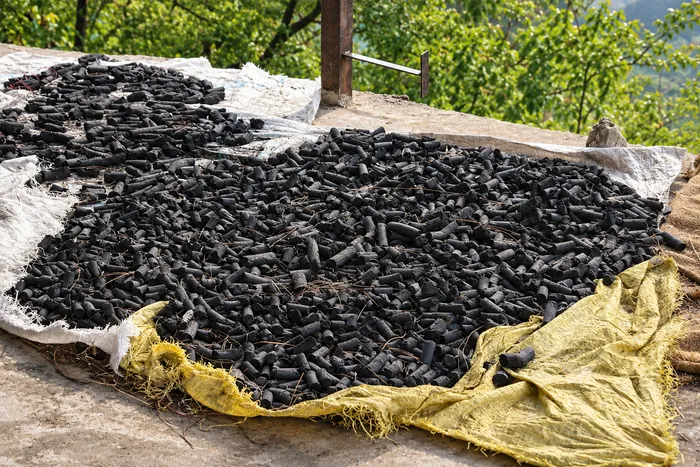
Biochar is a stable, charcoal-like material made by heating biomass with little oxygen. It is used to improve farm and nursery soils, to restore degraded land and to help remediate contaminated soil. From Organic Resources to Green Enterprises builds rural enterprises in Uttarakhand that turn local biomass into quality-tested biochar for these uses.
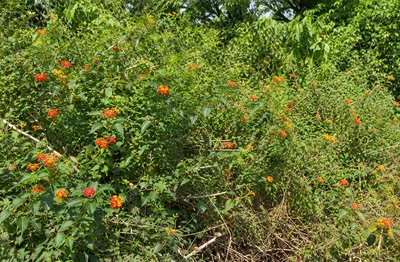
Lantana, an invasive plant
Only from authorised removal, with native plant recovery under the responsible authority's plan.
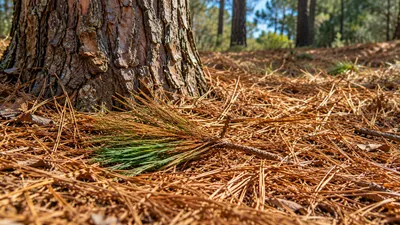
Pine needles
From designated collection areas, within limits that protect the forest floor.
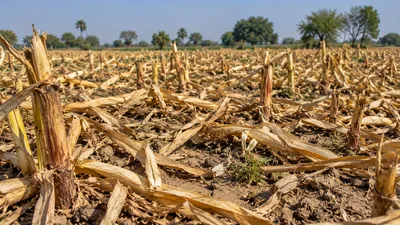
Crop residues
Surplus maize stalks and pulse residues, after fodder, mulch and fuel needs are met.

Made by qualified operators with established equipment at shared or partner facilities, and tested batch by batch against its intended use.
- Farm and orchard soils
- Nurseries and horticulture
- Restoring degraded land
- Soil remediation
How each enterprise is built
- 01
Secure the biomass
Recoverable supply, permissions and cost per tonne, before anything is built.
- 02
Produce safely
Trained operators, checks on smoke, fire and dust, and safe cooling and storage.
- 03
Prove the quality
Batch records and testing against the specification each buyer needs.
- 04
Win repeat buyers
Trials, delivered prices and repeat orders before production grows.
- 05
Show it on the farm
Customer farms track crop and soil response alongside the cost of use.
- 06
Stand on its own
Clear ownership, fair pay for the people who gather biomass, and women's and young people's earnings tracked.
Every enterprise is planned to earn from product sales first. The initiative follows SEED-SCALE: it learns from successful biomass enterprises in Uttarakhand and northern India, and hands defined roles to capable local actors over time.
Partner with fourteen years of field delivery.
Tri-Impact has worked alongside artisans, farmers and local entrepreneurs since 2012. Bring your climate, livelihood or CSR goals to a first conversation.