Health, finance and social protection
Financial literacy, savings account access, government social security enrolment, and health and eye-care camps brought directly into worker communities through partnerships with banks, hospitals and local NGOs.


Health care, financial access, social protection and responsible employment systems are designed, on paper, to cover India's labour-intensive production workforce. In practice, homeworkers, artisans and informal workers routinely fall outside them. Tri-Impact's Decent Work programmes move these systems closer to the people they are meant to protect, and build the capacity of the businesses that employ this workforce to do the same.
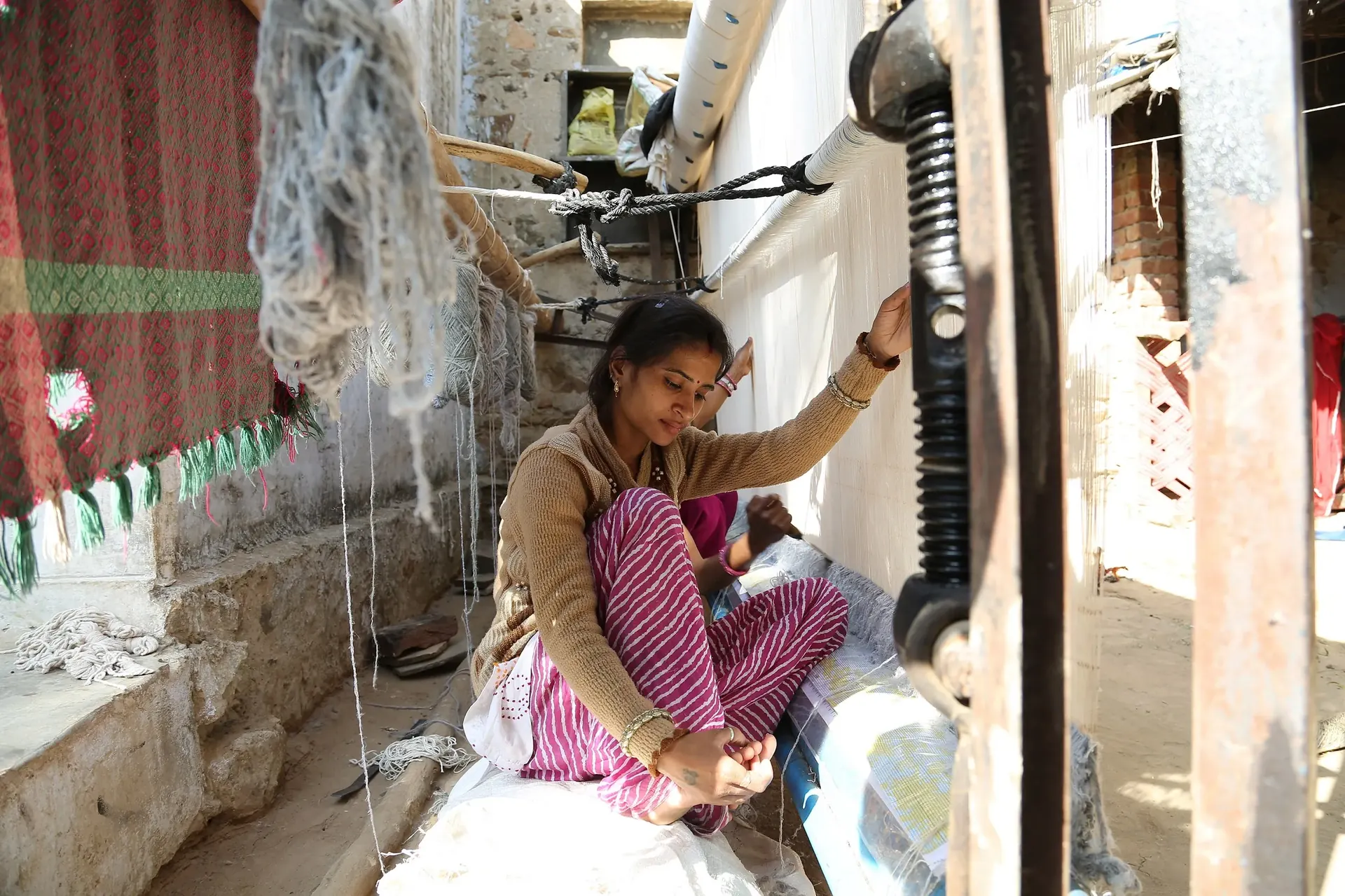
More than 90 percent of India's workforce sits inside the informal economy, per the Ministry of Labour and Employment's own Labour Bureau survey, still the most recent national estimate of its kind. Handmade carpet, home textile and garment production run almost entirely on this workforce: homeworkers paid by the piece, artisans working from home or in small units, and seasonal workers moving between agriculture and production through the year.
Health insurance, pension schemes, minimum-wage protection and labour-law coverage are written to include all of them. Reaching them in practice depends on who has the local relationships to enrol a homeworker in a scheme she has never heard of, and on whether the business she works for even knows she is part of its production network. That is where Tri-Impact works.
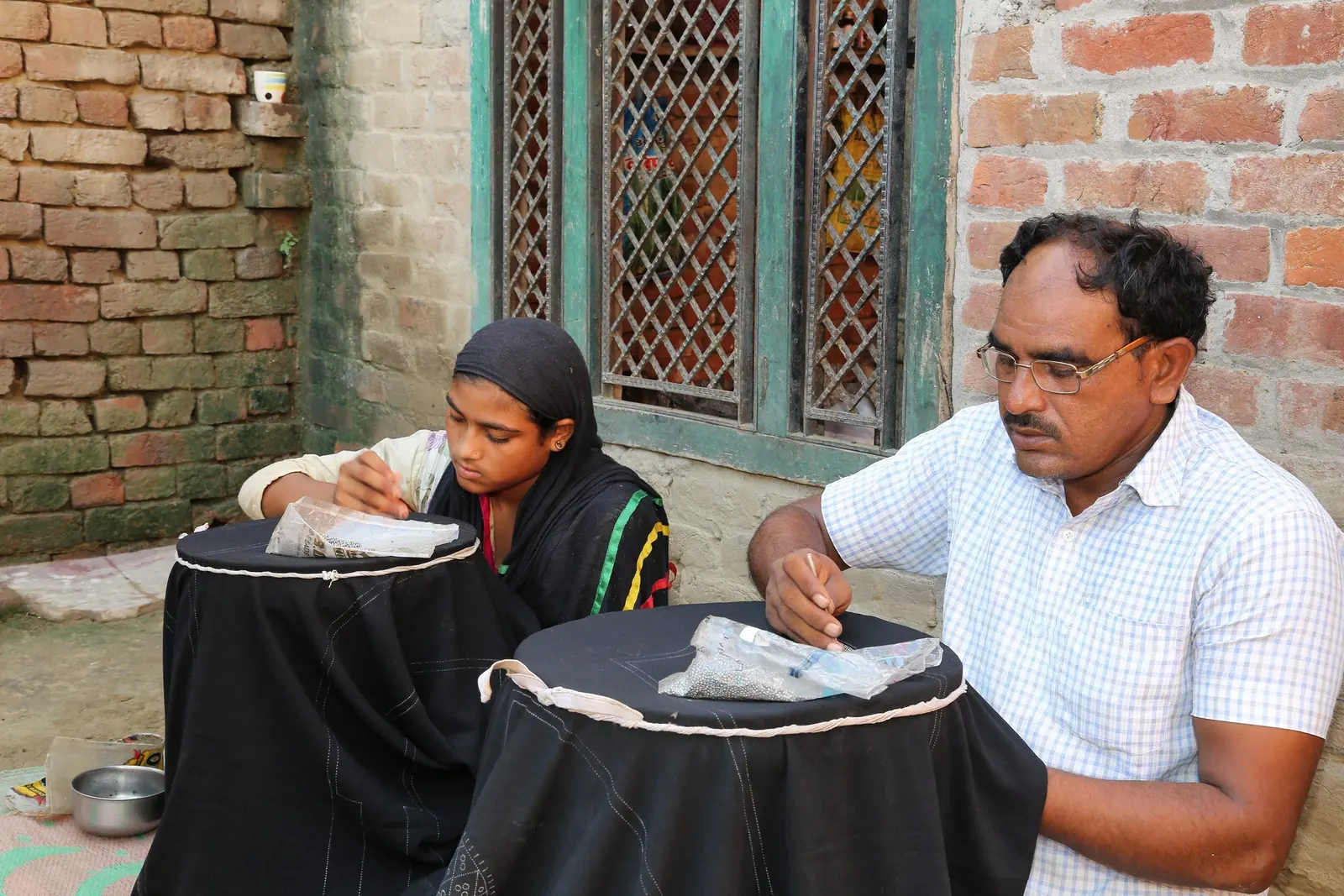
Decent Work moves on two tracks at once. One brings health care, financial access and social protection directly to workers and their households. The other builds the capacity of the businesses that employ them, so protection becomes something a business can sustain on its own, rather than something that depends on Tri-Impact's continued presence.
Financial literacy, savings account access, government social security enrolment, and health and eye-care camps brought directly into worker communities through partnerships with banks, hospitals and local NGOs.
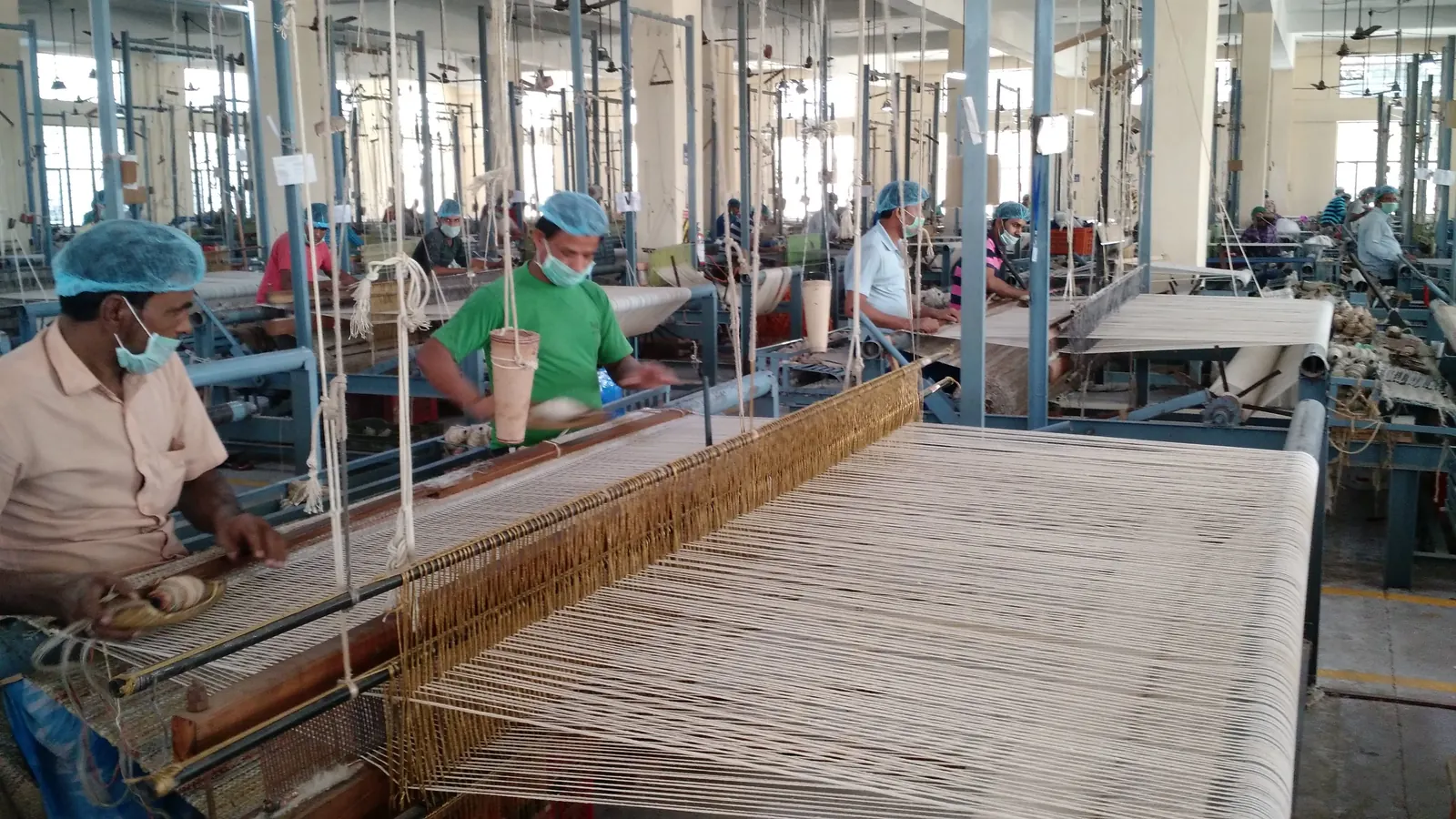
A Participatory Learning and Action programme that builds the capacity of businesses to understand their own production networks and act on what they find, run through the Neev Cycle's on-the-ground implementation method.
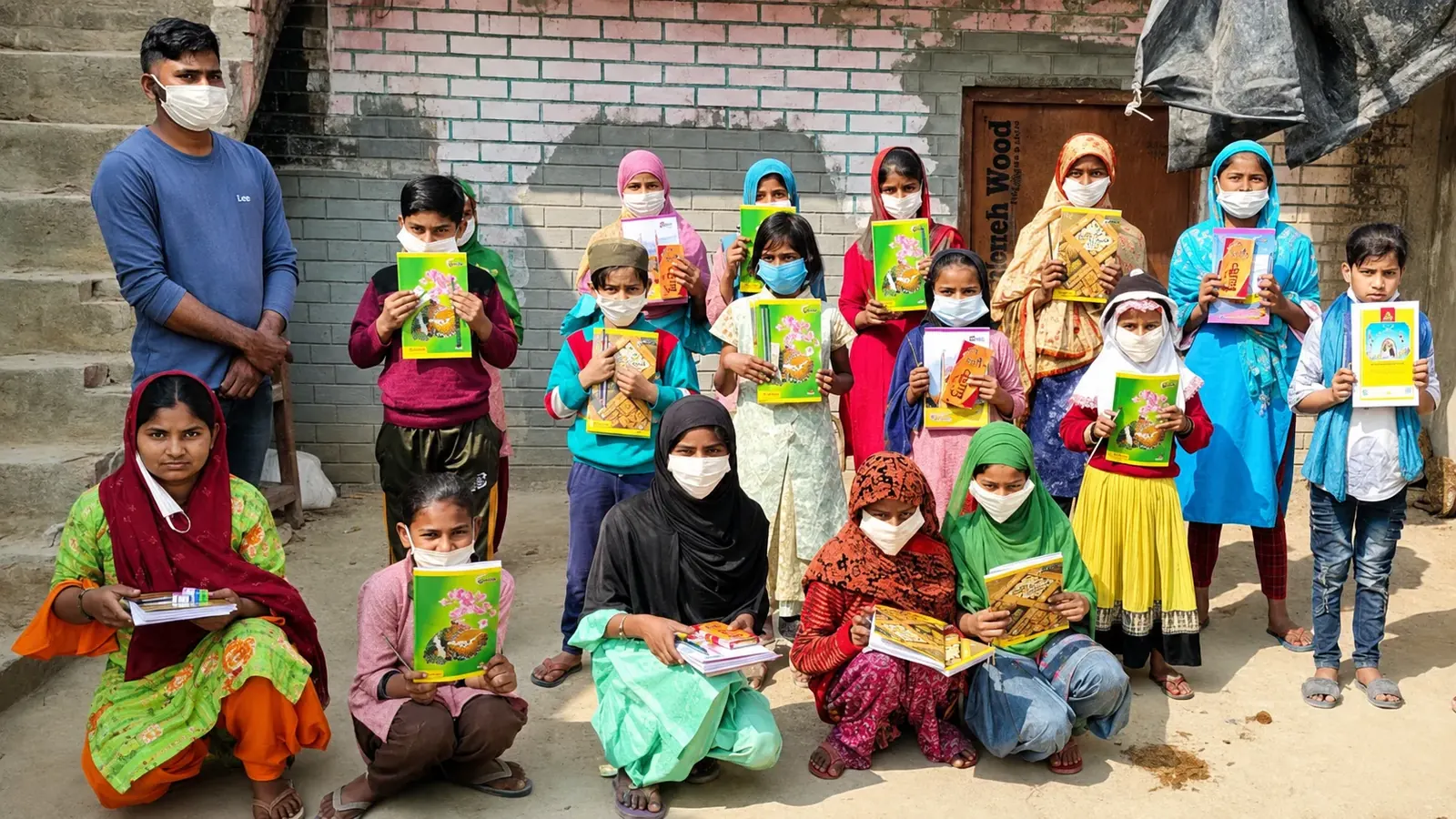
Identifying children in worker households who are not enrolled, not learning, or at risk of dropping out, and connecting them with schools and welfare services.


Most manufacturers know their direct workforce. Far fewer can see the home-based workers, subcontracted units and seasonal labour their production actually runs on, because that workforce sits several tiers removed from the factory floor. Roshni builds the capacity of businesses to see their own production network for what it is, and to act on what they find. It runs on a Participatory Learning and Action methodology, adapted from the same Neev Cycle that underpins Tri-Impact's on-the-ground implementation work elsewhere: documenting what already works, building trust before asking anything of a partner, and measuring change to the individual rather than claiming it in aggregate.
Roshni is not an audit, a certification, or a compliance rating. It is a capacity-building partnership. Tri-Impact works alongside a business over time, so the business itself develops the ability to see and act on what a one-time audit would only flag and leave behind.

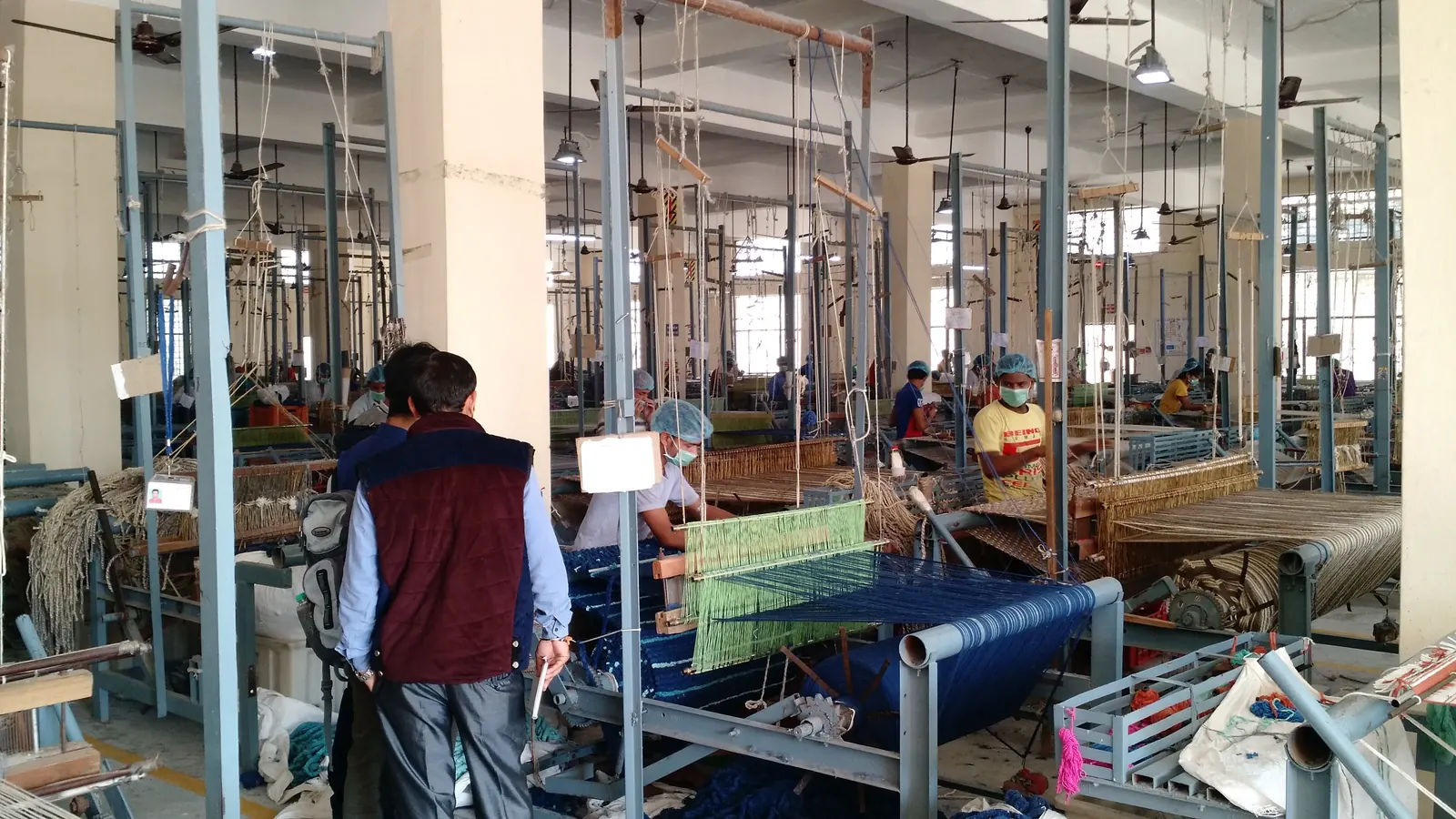
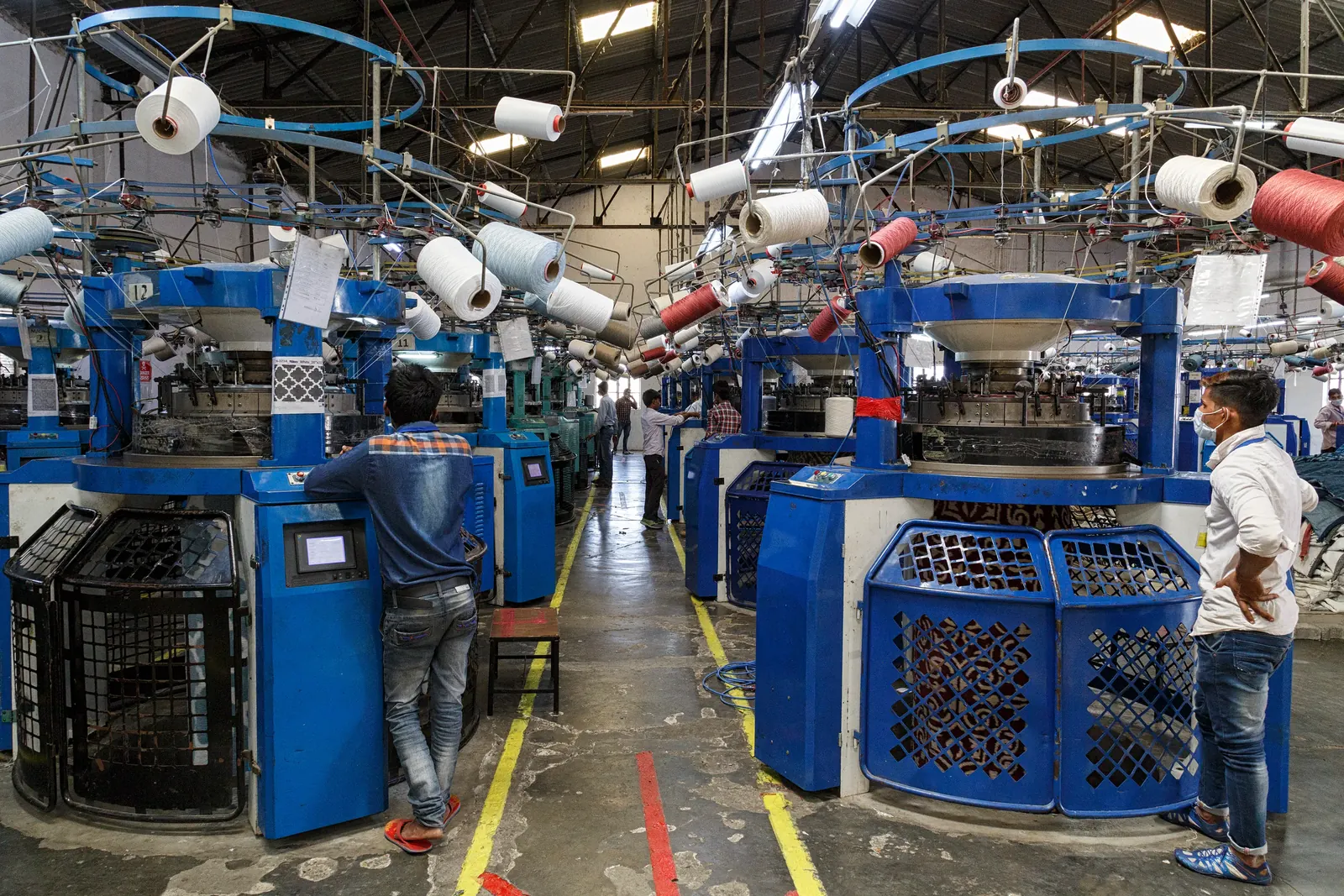
Engaged through Roshni capacity building.
In practice. Jaipur Rugs, a Rajasthan-based rug manufacturer employing over 40,000 artisans, 35,000 of them women, is a documented Tri-Impact partner, profiled for its wages, working conditions and community relief record.
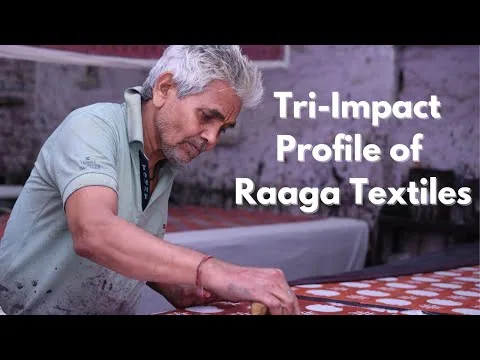
Tri-Impact has produced on-site profiles of four businesses across its production geographies, distinct from the 30 companies and 300+ units engaged through Roshni's capacity-building work above. Each is documented for a different reason. Together they show what Tri-Impact's fieldwork with businesses actually looks like.
Videos play from YouTube. Nothing loads from YouTube until you press play.



Tri-Impact works directly with worker communities, government and private schools, and local institutions to identify children who are not enrolled, not learning, or at risk of dropping out, and to connect them with the education and welfare services they are entitled to. The same worker households reached through Decent Work's health and financial-inclusion programmes are where this work happens: a family's income security and a child's schooling move together, not separately.
Supported since 2012 across worker communities in Uttar Pradesh, Rajasthan, NCR and Uttarakhand.
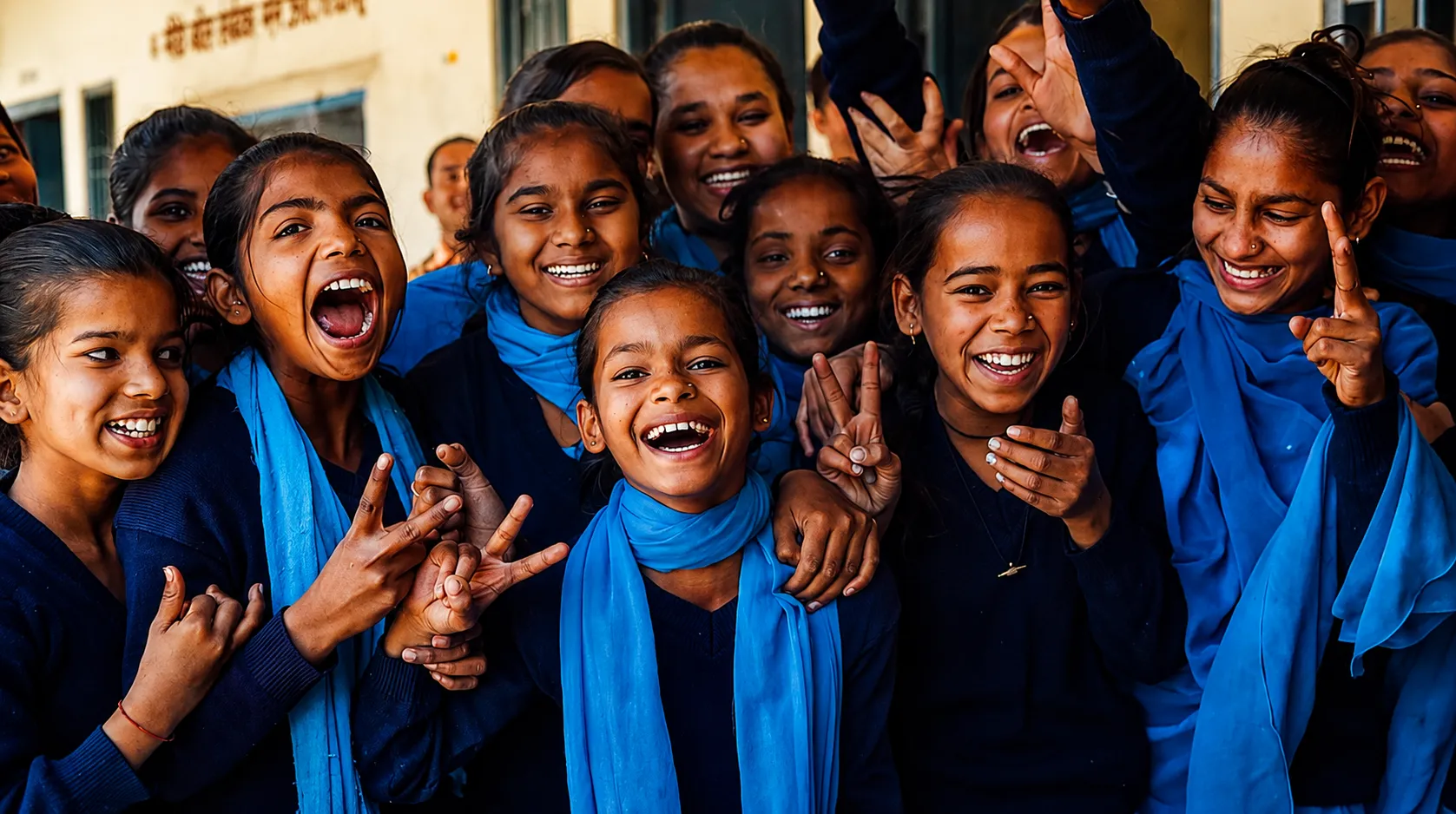
During the pandemic, Tri-Impact reached worker communities directly across Uttar Pradesh, Rajasthan, NCR and Uttarakhand: by phone, by ration and hygiene kit, and by keeping children connected to learning when classrooms closed.

Tri-Impact's institutional capacity comes from sustained work inside worker communities, production clusters and heritage economies.
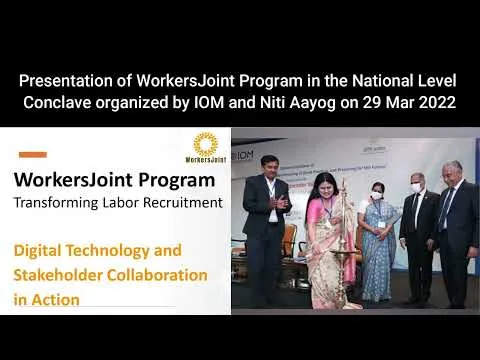
Connects migrant and informal workers directly with formal employers and financial institutions, including work with the International Organization for Migration on migrant worker formalisation.
Videos play from YouTube. Nothing loads from YouTube until you press play.

India's art traditions are admired worldwide, yet the artists behind them often stay poor, unseen and unprotected. Living Art Traditions works with artists of Madhubani, Gond, Sanjhi, miniature and other traditions, and brings them the protection Decent Work builds for workers, alongside skills and buyers.
No. Roshni is a capacity-building partnership, not an audit, certification, or compliance rating service. A compliance audit assesses a business against a standard on a single visit and issues a rating. Roshni works alongside a business over time, so the business itself develops the ability to understand its own production network and act on what it finds, rather than depending on a certificate to stand in for whether conditions actually improved.
Across Uttar Pradesh, Rajasthan, NCR and Uttarakhand today, extending to new geographies as the work grows. Decent Work is built around worker communities and production clusters, not around any single company's own workforce, so it reaches workers a business may not even know are part of its production network.
Every intervention is documented to the individual worker or household, not claimed in aggregate, following the same discipline used across Tri-Impact's on-the-ground implementation work. Current figures are presented on this page and in Insights, and funders working with Tri-Impact receive programme-specific reporting as part of the partnership.
Both. Decent Work reaches workers wherever production actually happens: large manufacturing units, small subcontracted workshops, and homeworkers paid by the piece. Roshni works with the businesses at the centre of a production network. The worker-facing programmes reach the households at its edges, regardless of the size of the unit they work from.
Tri-Impact works directly with worker communities to identify children who are not enrolled in school, not learning, or at risk of dropping out, and connects them with schools, education support and welfare services. The goal is prevention through education access, not detection after the fact.
Yes. Every current partnership started as a first conversation about where a business's production network intersects with Tri-Impact's existing field presence, or where a new engagement makes sense.
These focus areas do not operate in isolation. A worker's health affects household income, income affects whether children stay in school, and market pressure on wages weighs on the survival of heritage skills as much as climate stress weighs on migration and economic insecurity. A single programme may contribute to more than one focus area.
For CSR teams, funders and manufacturers ready to build decent work into how production actually runs.